DIAMOND & GEMSTONE SETTING
Setting Styles
Gemsetter is highly experienced and skilled in the setting styles and techniques shown below, from traditional hand cut setting to precision modern methods.
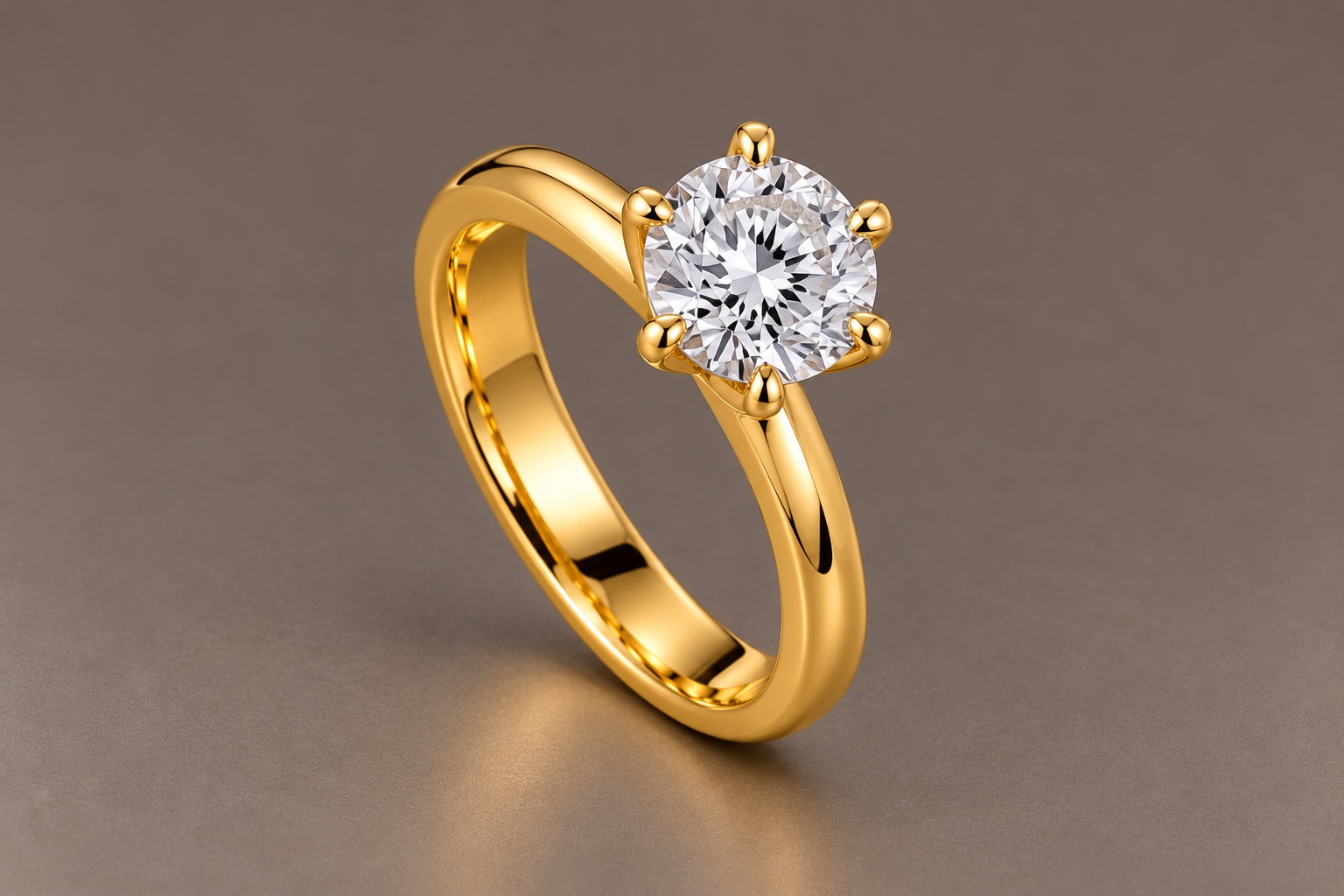
Claw setting secures diamonds and coloured gemstones using individually prepared and carefully shaped metal claws. Each stone is precisely seated before the claws are tightened and finished to provide secure support without unnecessary pressure. This technique requires particular skill when setting delicate, valuable or difficult gemstones, including emeralds, sapphires and fancy shaped stones.
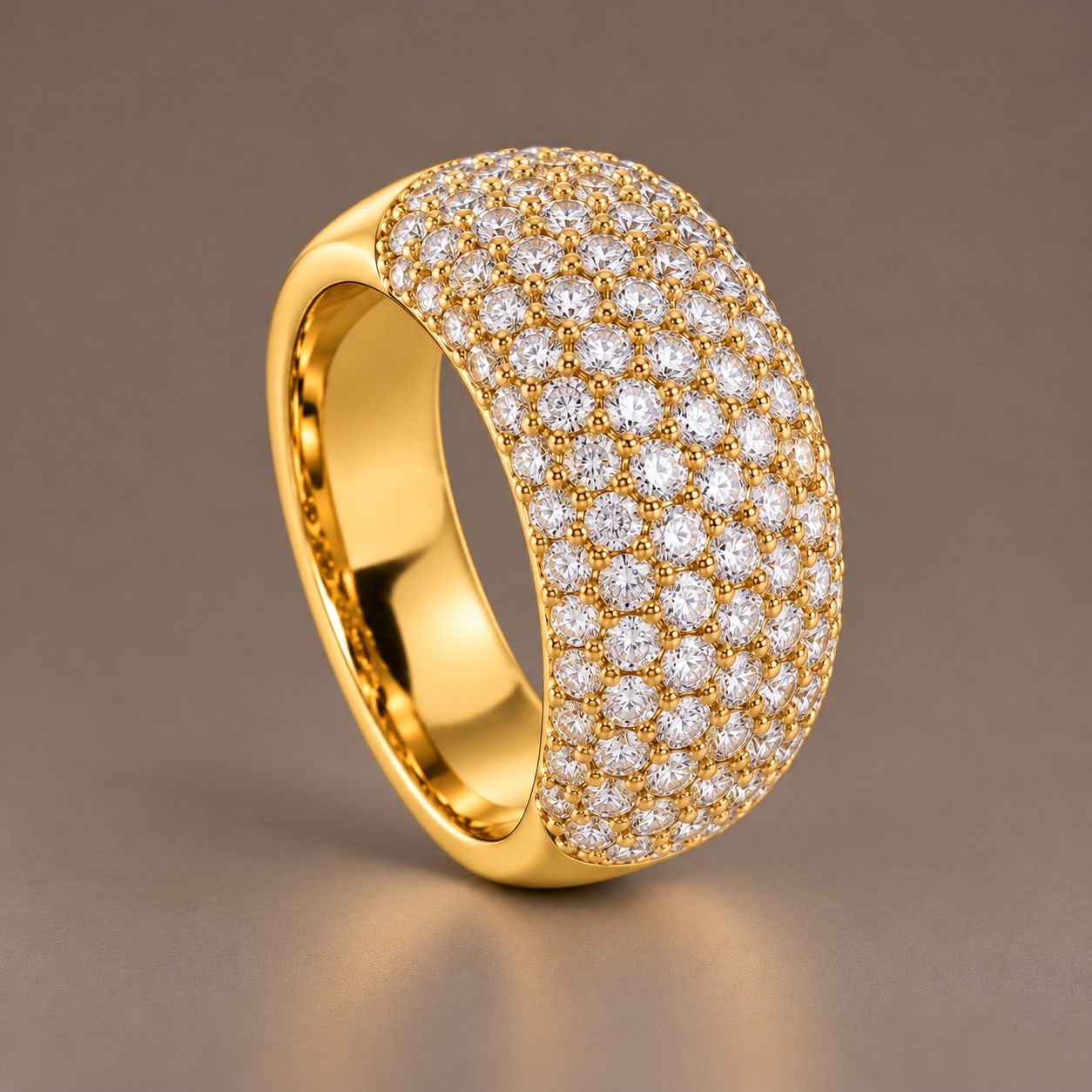
Micro pavé setting is a highly specialised technique involving extremely small diamonds and gemstones, including stones from 0.05 mm. Each stone is individually positioned and secured using exceptionally fine grains formed with precision graining tools. Skilled hand cutting, magnification and meticulous attention to detail are essential to achieve consistent alignment, security and brilliance across intricate jewellery surfaces.
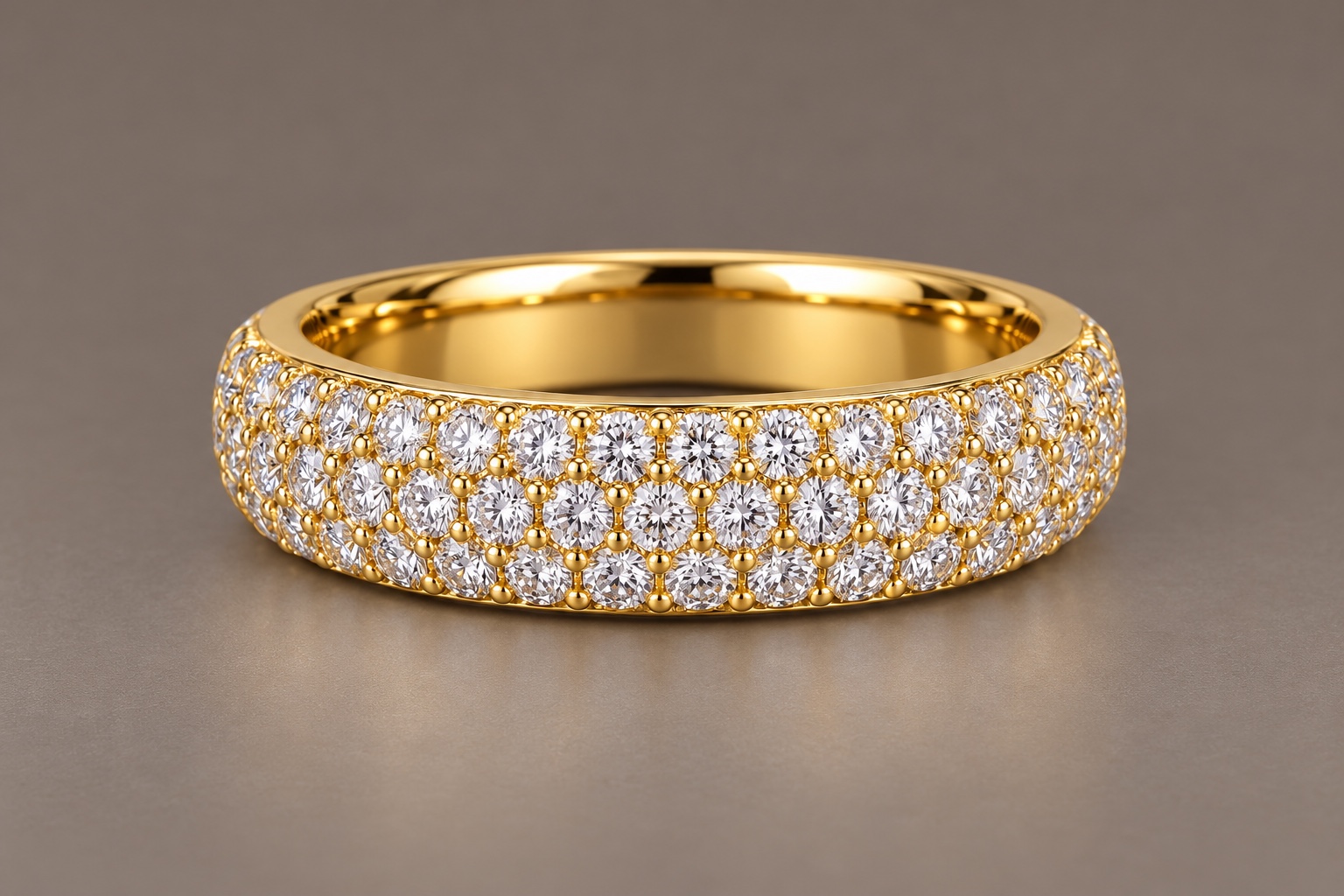
Pavé setting involves closely positioning diamonds or coloured gemstones across a metal surface to create a continuous field of brilliance. Each stone is individually seated before securing grains are carefully raised and shaped using specialist graining tools. Highly polished gravers produce precise bright cuts where required, demonstrating the traditional hand skills essential to fine pavé diamond setting.
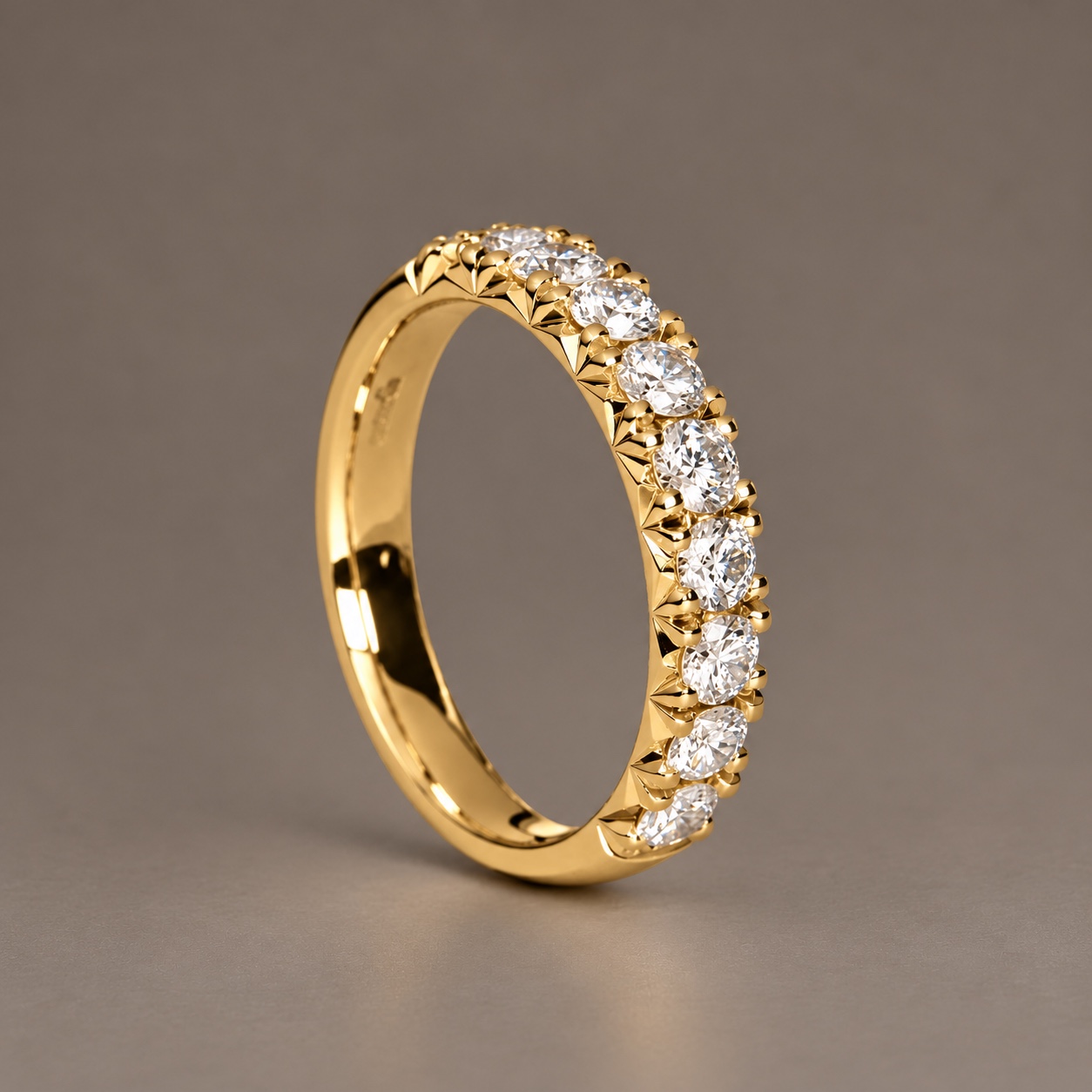
Fishtail setting, also known as French cut pavé, is a traditional hand setting technique featuring distinctive V shaped cuts between gemstones. Using highly polished gravers, the metal is hand cut to produce sharp, reflective bright cuts. Precisely raised grains are shaped with specialist graining tools to secure each diamond, creating exceptional detail and brilliance.
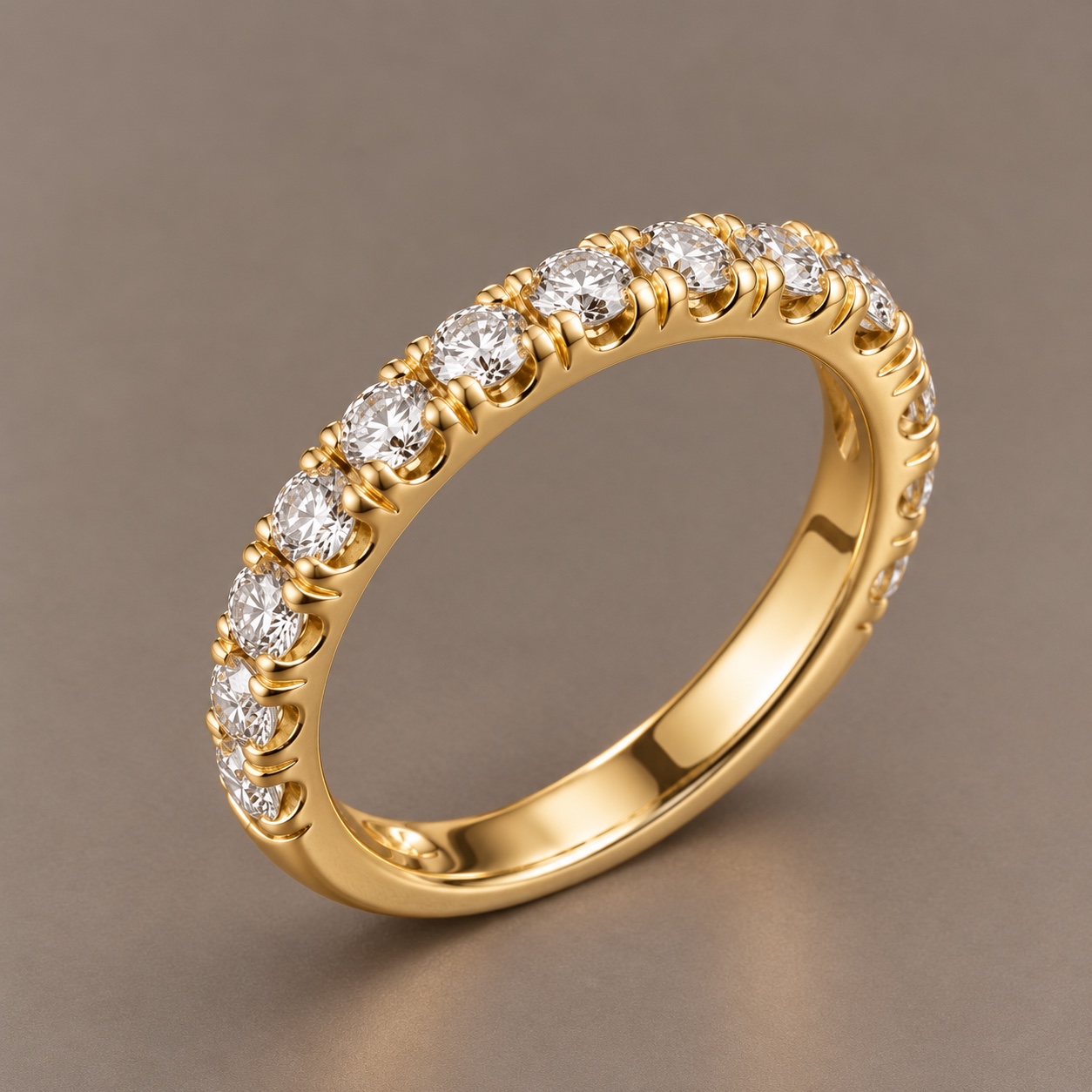
Castle setting features a distinctive castellated profile, created by precisely cutting and shaping the metal between individual gemstones. Carefully prepared seats and accurately finished claws secure each stone while allowing light to enter from the sides. This detailed setting technique requires consistent spacing and precision, particularly for diamond eternity rings and decorative wedding rings.
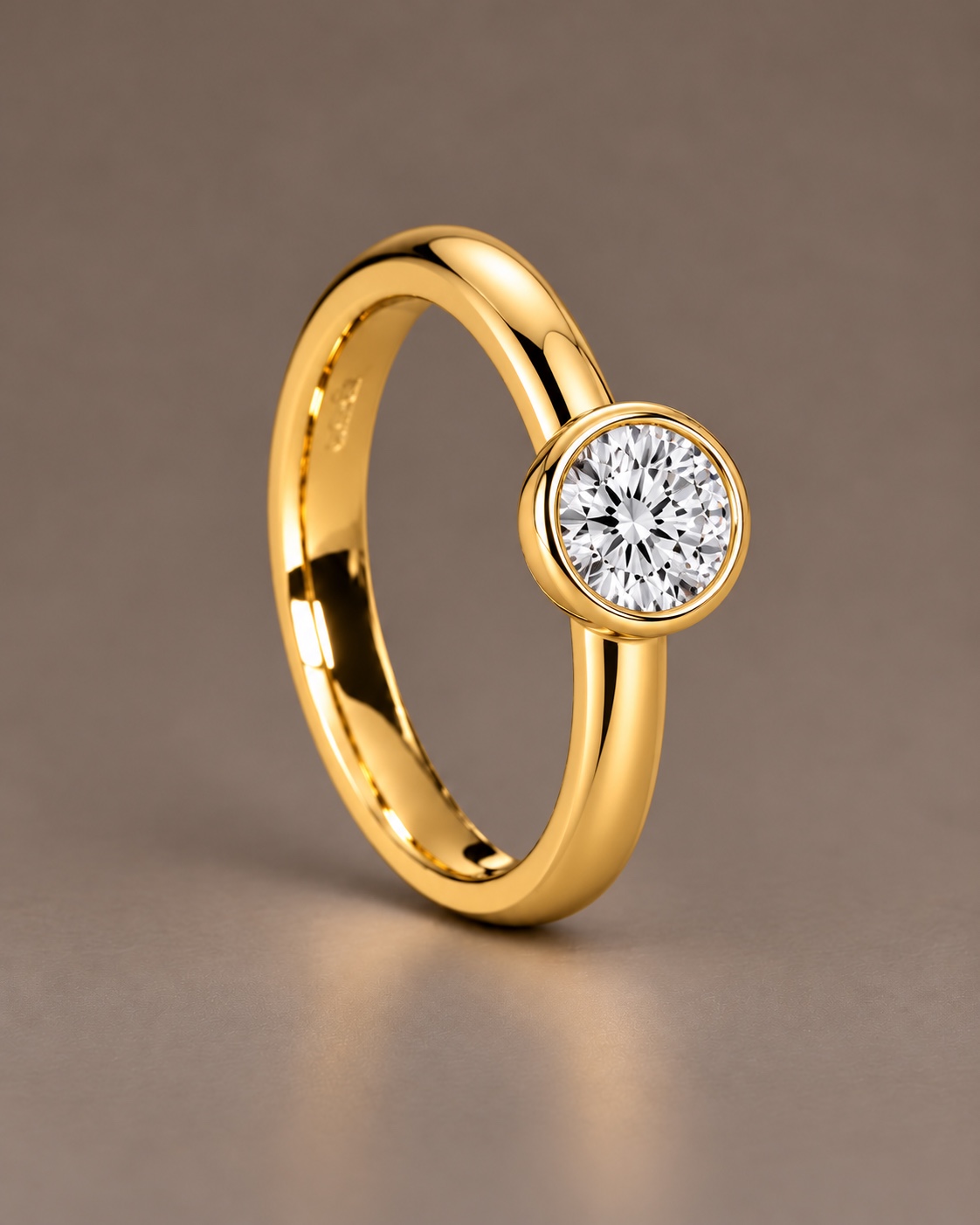
Rub over setting, also known as bezel setting, secures a diamond or coloured gemstone within a continuous rim of precious metal. The surrounding metal is carefully worked over the stone’s edge before being precisely shaped and polished. Considerable skill is required when setting fragile, irregular or valuable gemstones to achieve a secure fit without damage.
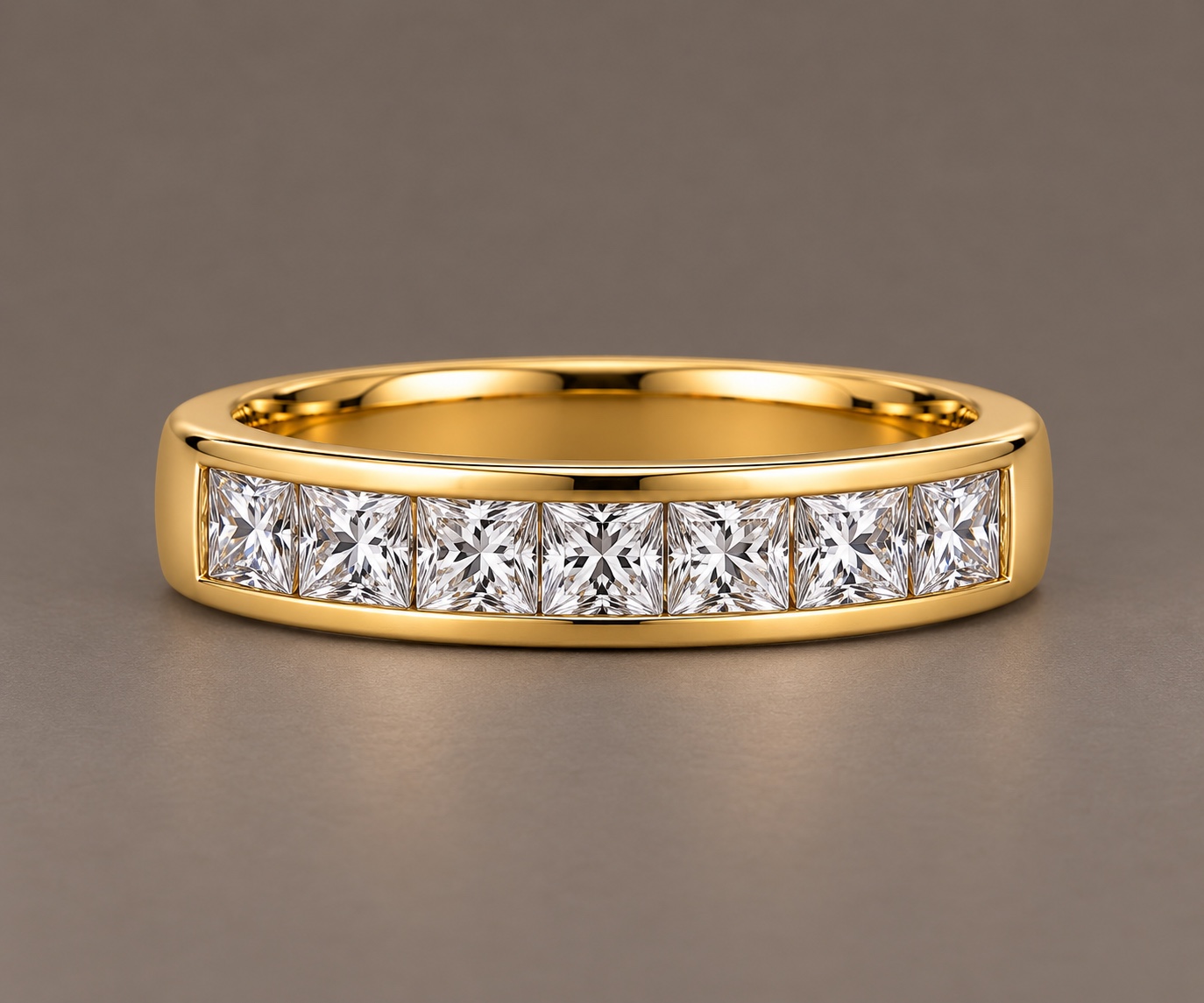
Channel setting secures a continuous row of diamonds or coloured gemstones between two accurately prepared walls of metal. Each stone is individually seated, aligned and secured without visible claws between the gemstones. Precision is essential to achieve consistent height, spacing and a clean finish, particularly when setting round brilliant or princess cut diamonds.
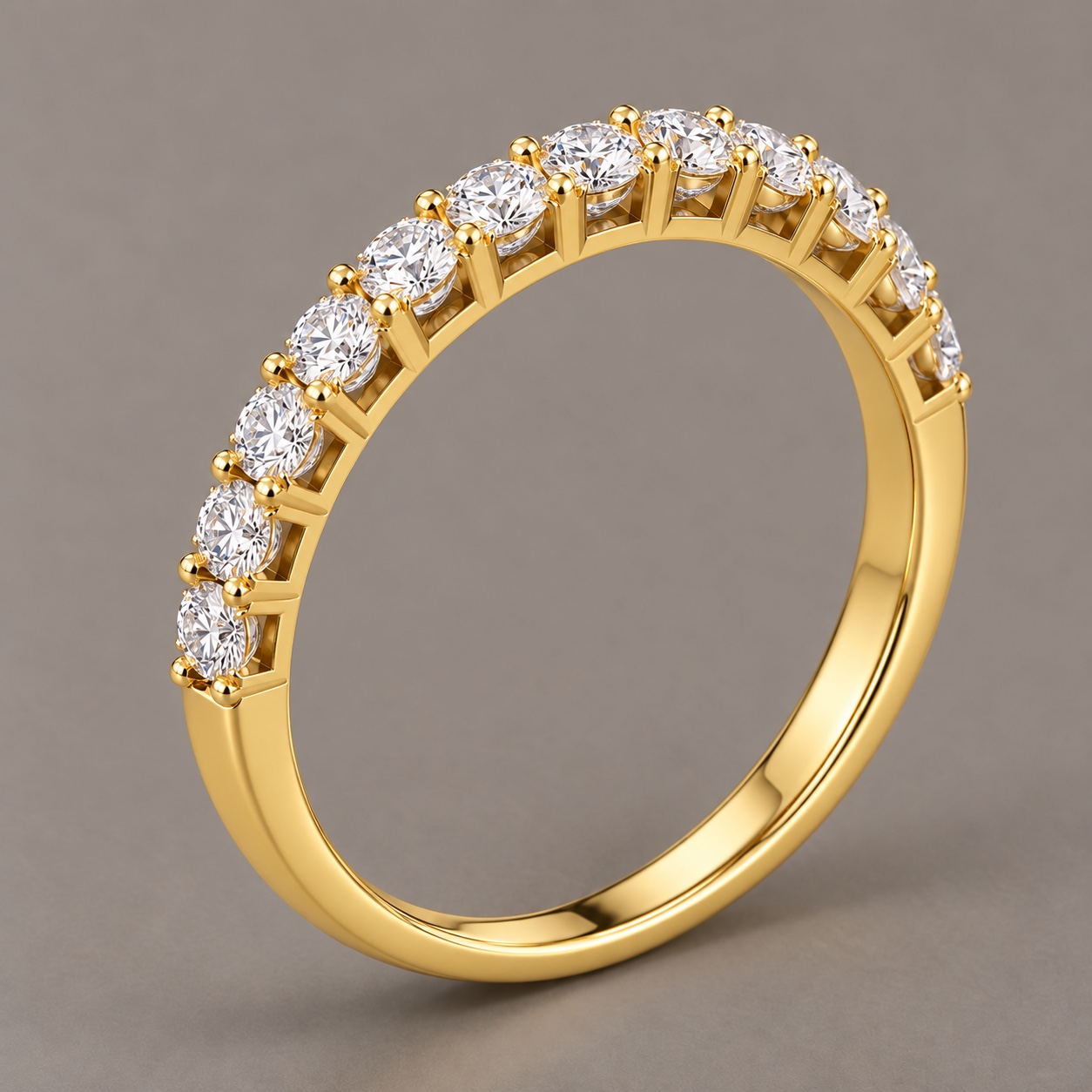
Shared claw setting secures adjacent diamonds or gemstones using carefully formed claws between neighbouring stones. Each claw is precisely shaped and finished to provide secure support with minimal visible metal. This skilled technique creates a continuous line of brilliance, ideal for diamond eternity rings, wedding rings and coloured gemstone jewellery.
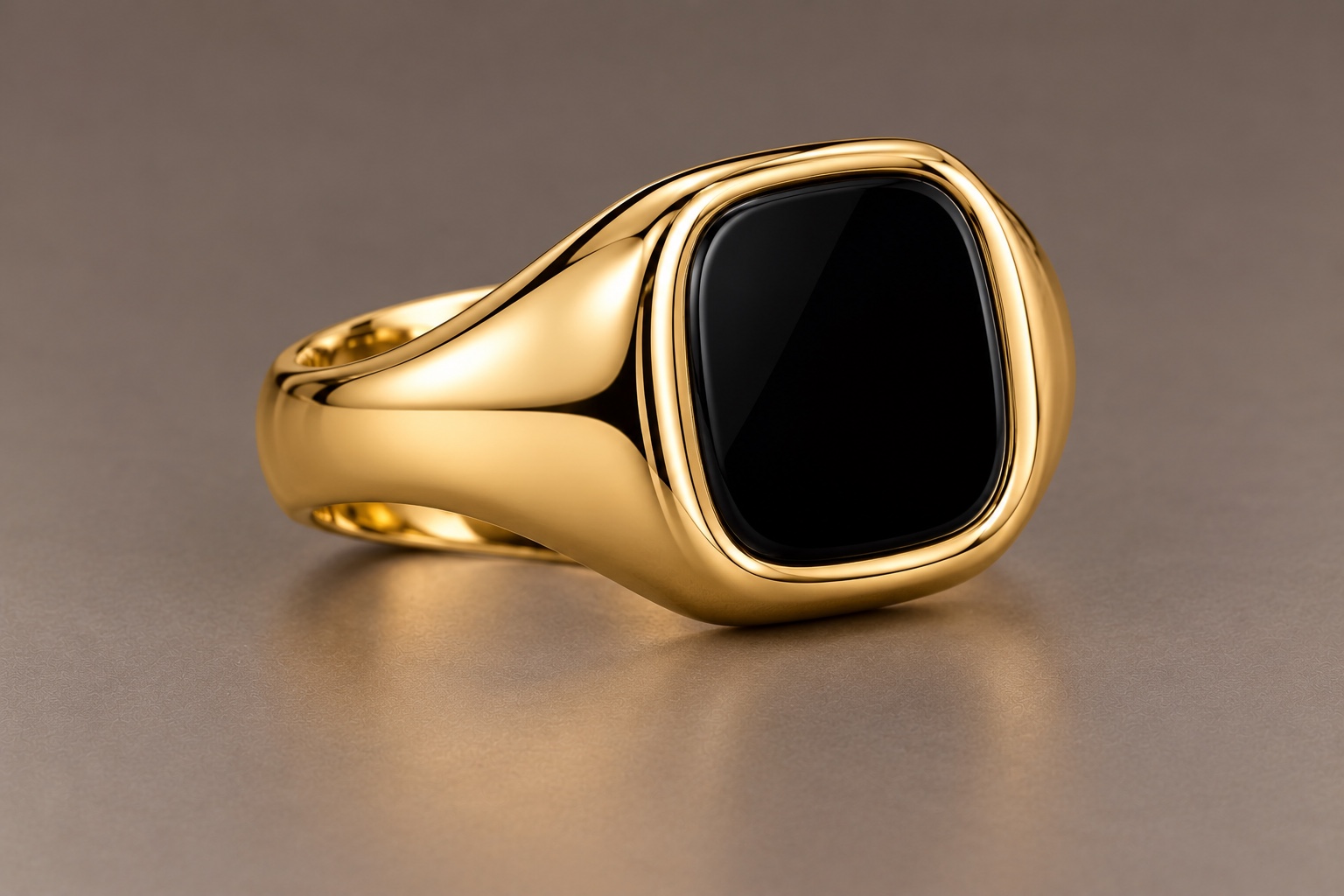
Roman setting is an ancient jewellery setting technique with roots dating back nearly 2,000 years to the Roman Empire. Now a rare and almost lost traditional hand setting skill, it involves precisely setting gemstones using traditional hand tools and burnishers. This demanding technique requires exceptional precision, knowledge and craftsmanship, preserving the traditional methods associated with ancient Roman jewellery.
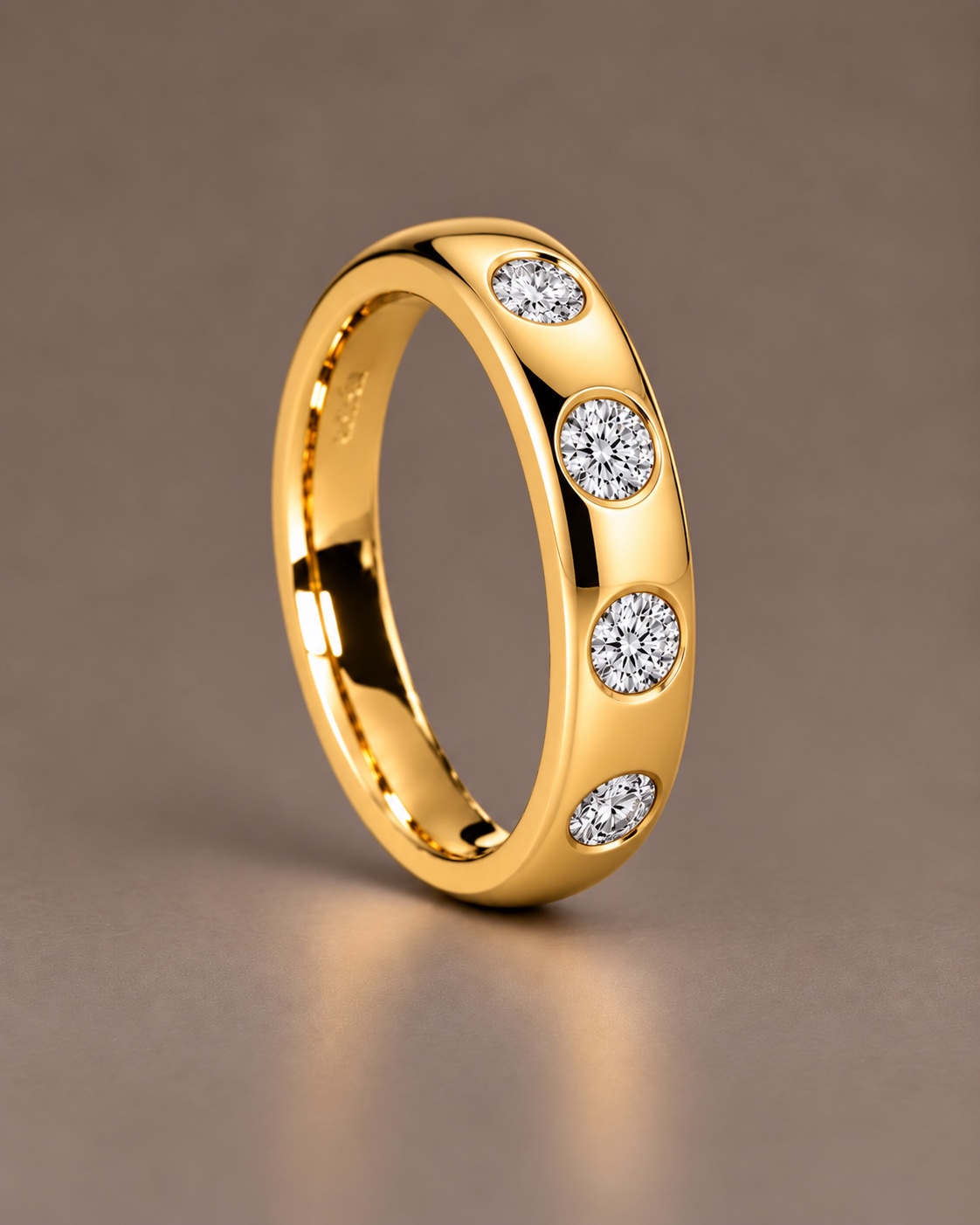
Burnish setting involves preparing an accurately sized recess before carefully working the surrounding precious metal over the gemstone’s edge. The result is a secure, smooth setting without raised claws. This precise technique requires careful control of pressure and specialist finishing skills, particularly when working with smaller diamonds, coloured gemstones and polished gold surfaces.
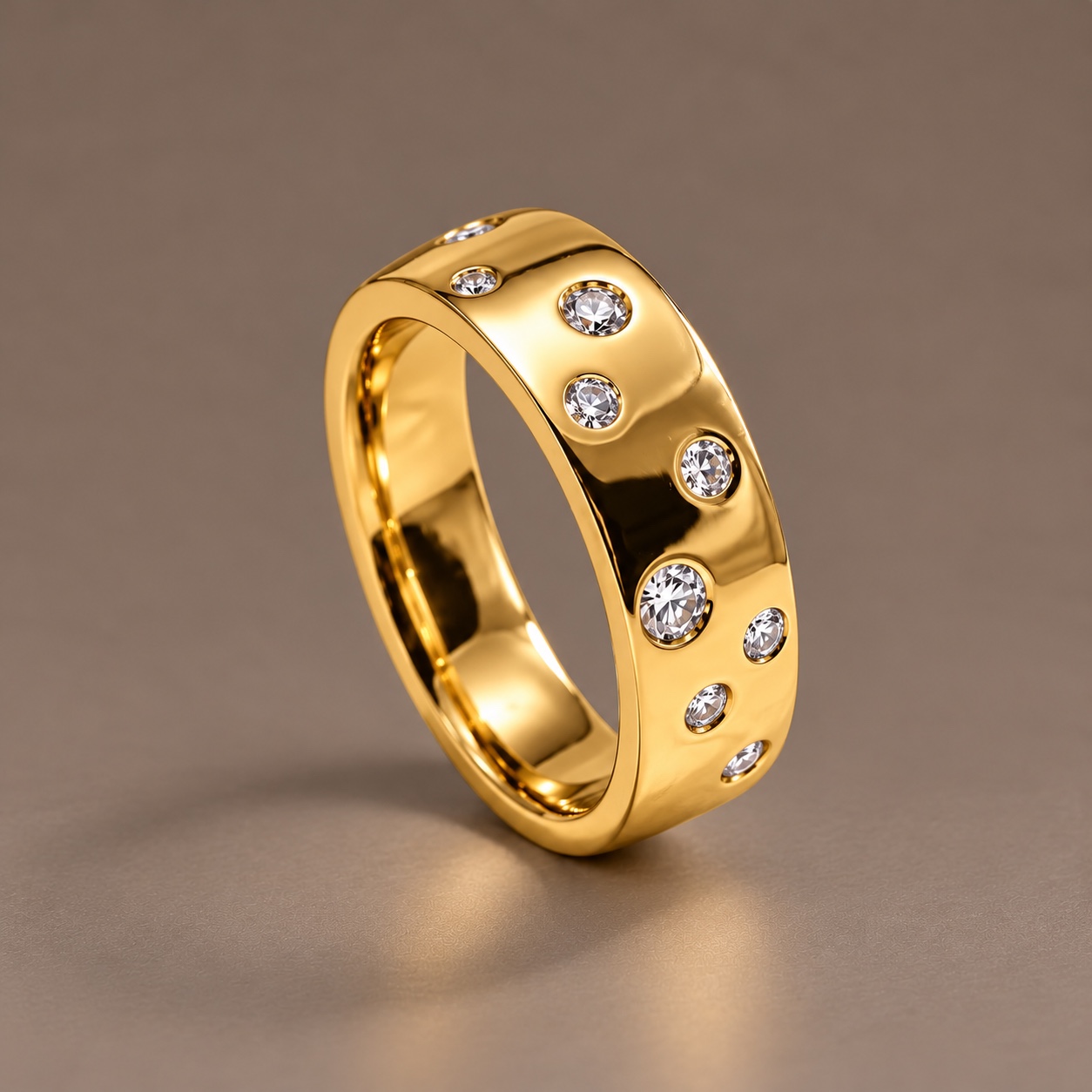
Swiss setting positions individual diamonds within precisely prepared circular recesses in the metal. Each stone is accurately seated before the surrounding metal is carefully worked and finished to create a smooth, polished appearance. This specialist technique demands consistent spacing and precision, making it particularly suitable for diamond wedding rings, signet rings and contemporary jewellery.
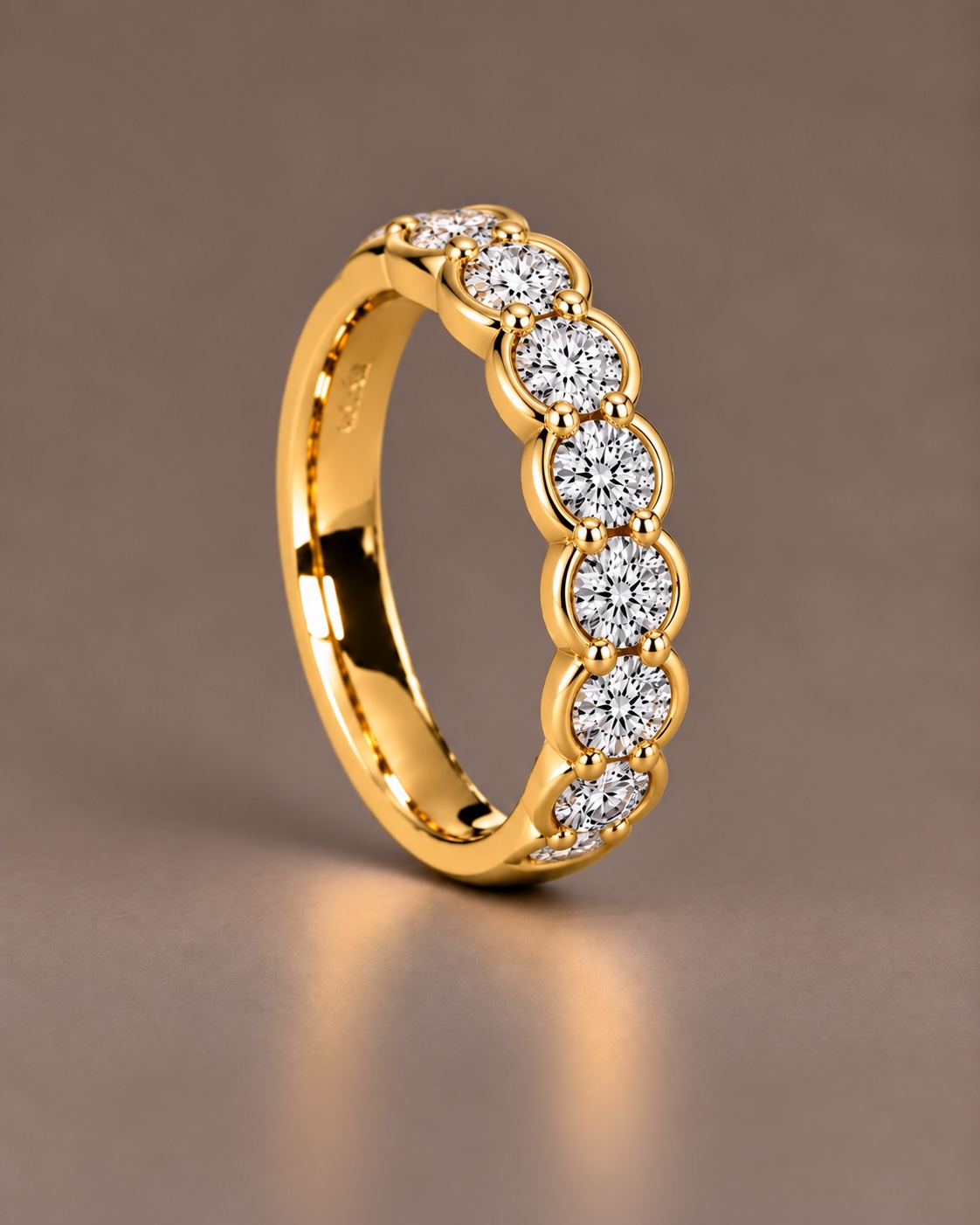
Scallop setting features individually shaped, curved metal sections surrounding a row of diamonds or gemstones. Each stone is precisely seated and secured using carefully formed claws, creating an elegant scalloped profile. Accurate spacing, symmetrical cutting and skilled finishing are essential to produce a consistent setting suitable for diamond eternity rings and fine jewellery.
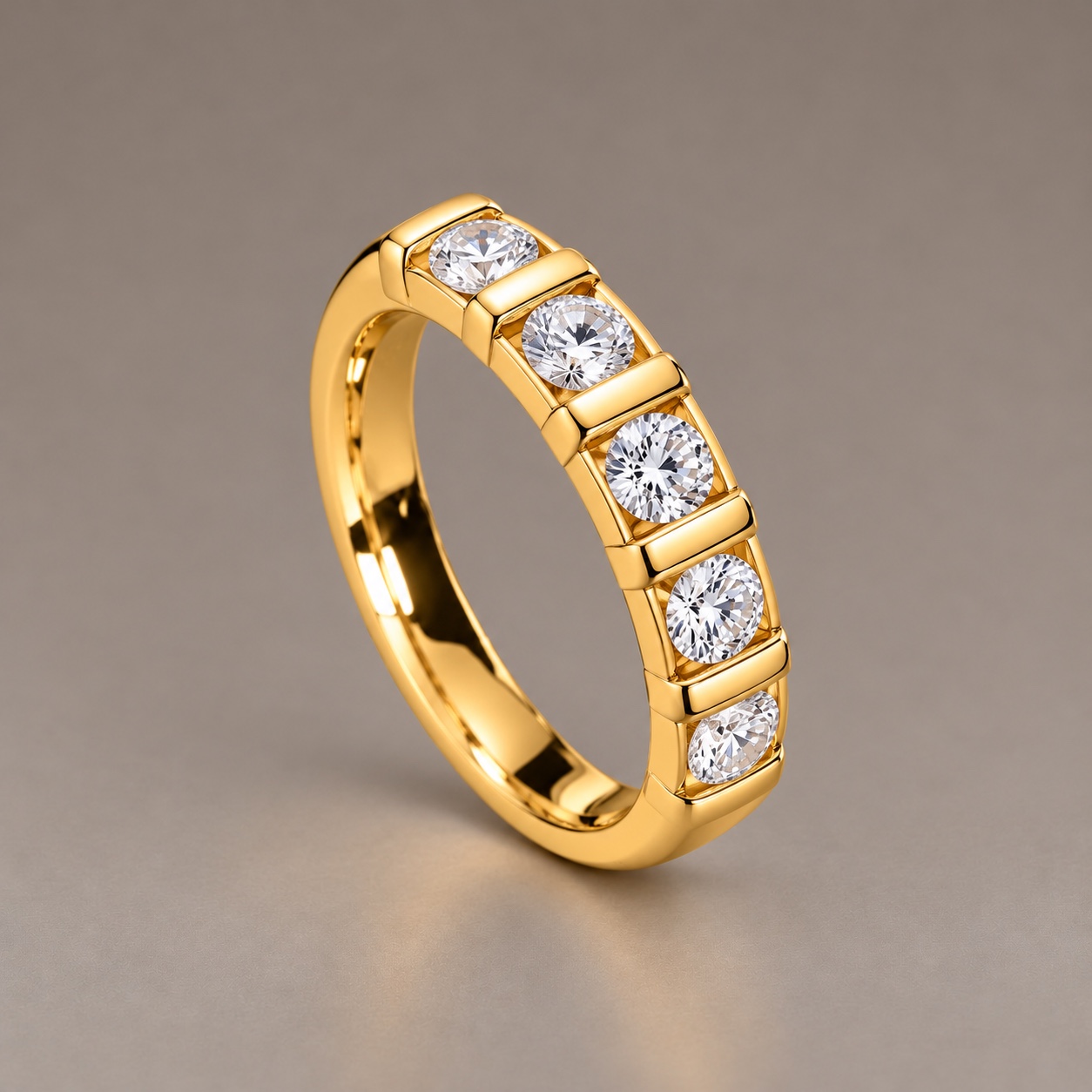
Bar setting secures diamonds or coloured gemstones between precisely shaped metal bars, leaving the sides of the stones relatively open. Accurate cutting, stone alignment and careful finishing are essential to ensure each gemstone is securely held. This contemporary setting technique is particularly effective for diamond eternity rings, wedding rings and bespoke jewellery.
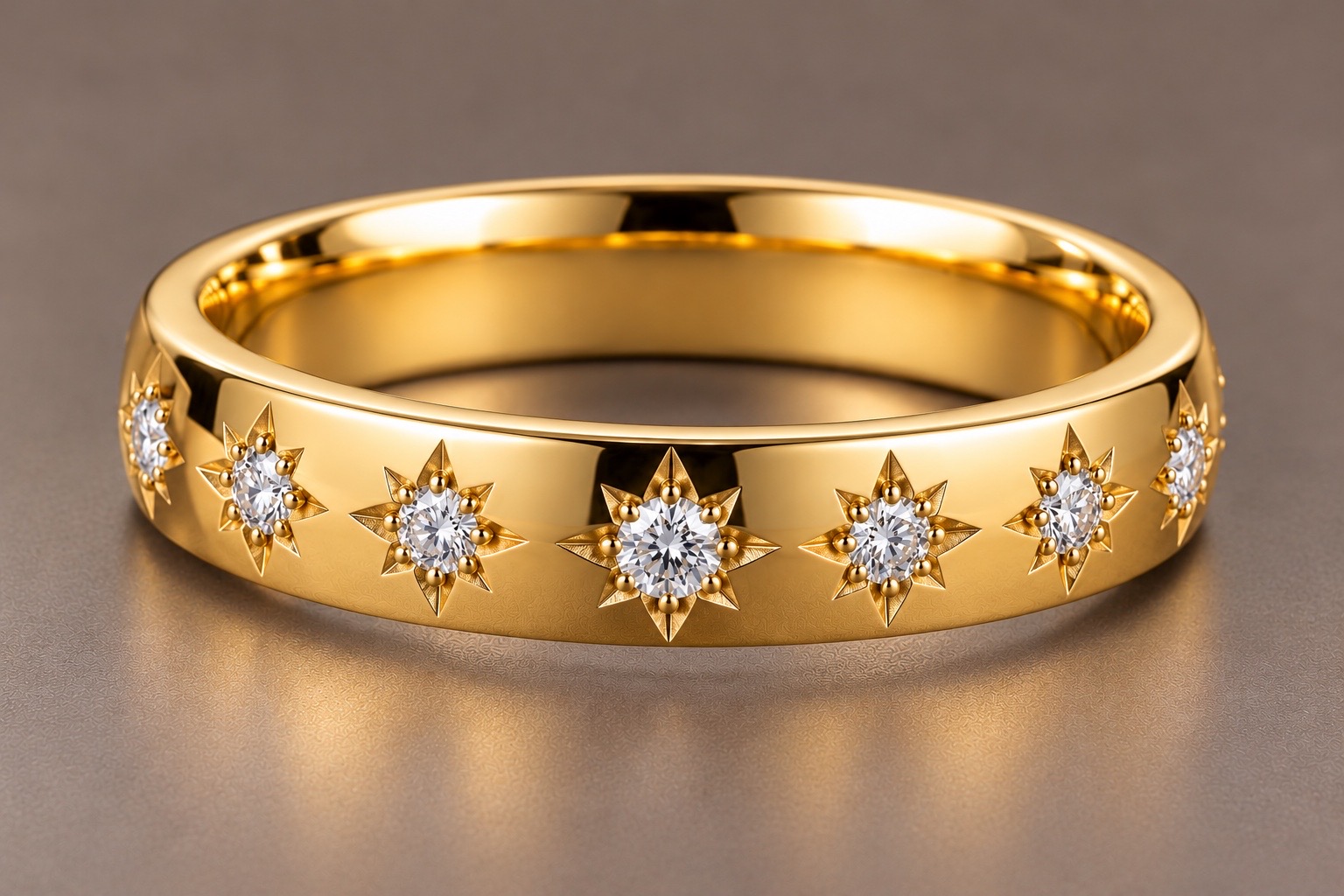
Star setting is a traditional decorative technique where each star is individually hand cut into the metal using precision gravers. Bright cut, highly polished facets surround the gemstone, reflecting light and enhancing its appearance. Carefully raised grains secure each diamond or coloured gemstone. A skilled setting style particularly suited to vintage jewellery, signet rings and decorative gold rings.
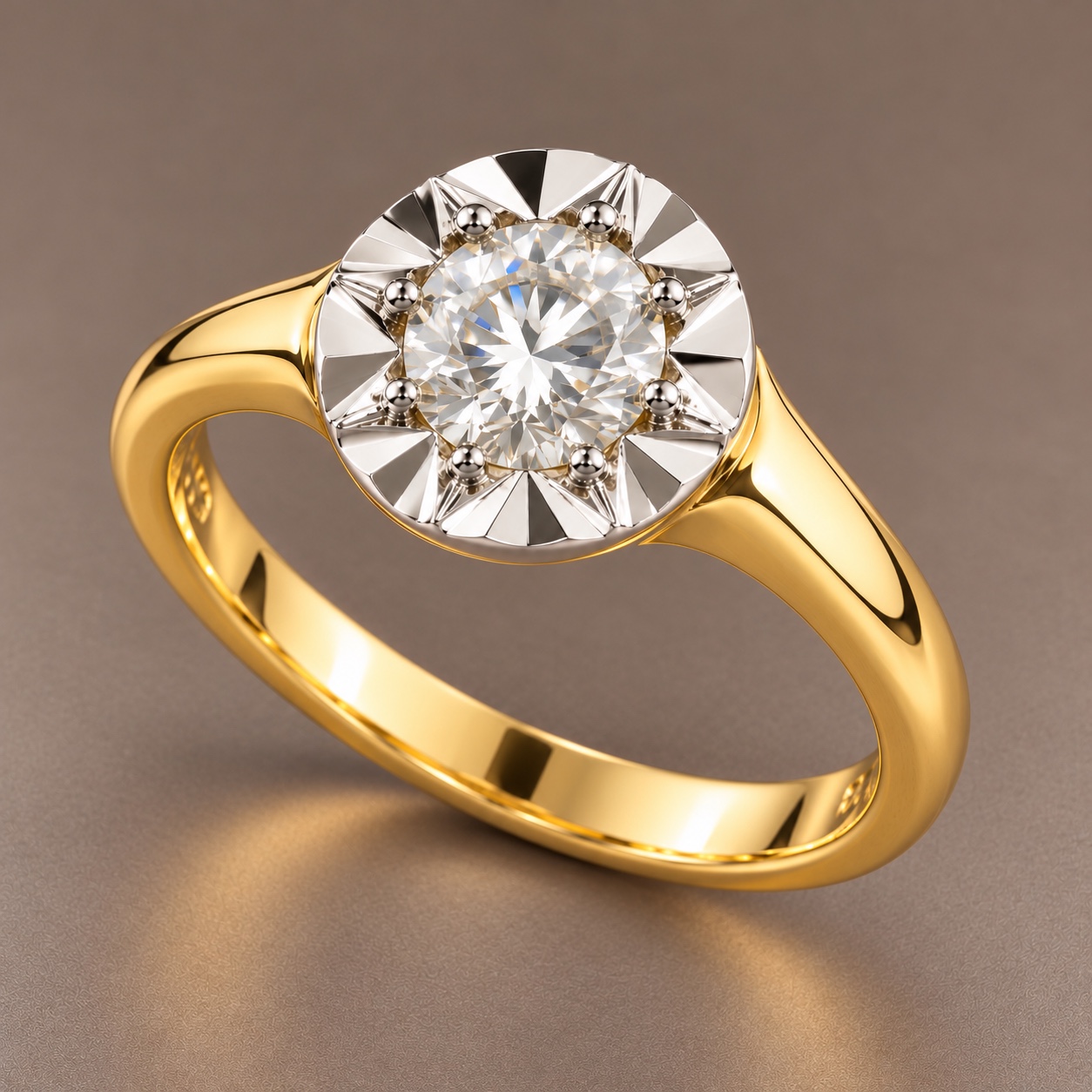
Illusion setting is a traditional hand cutting technique designed to enhance the apparent size and brilliance of a diamond. Using highly polished gravers, precise bright cuts and reflective facets are individually cut into the surrounding precious metal. Carefully formed grains secure the stone while the polished metal creates the appearance of a larger diamond.
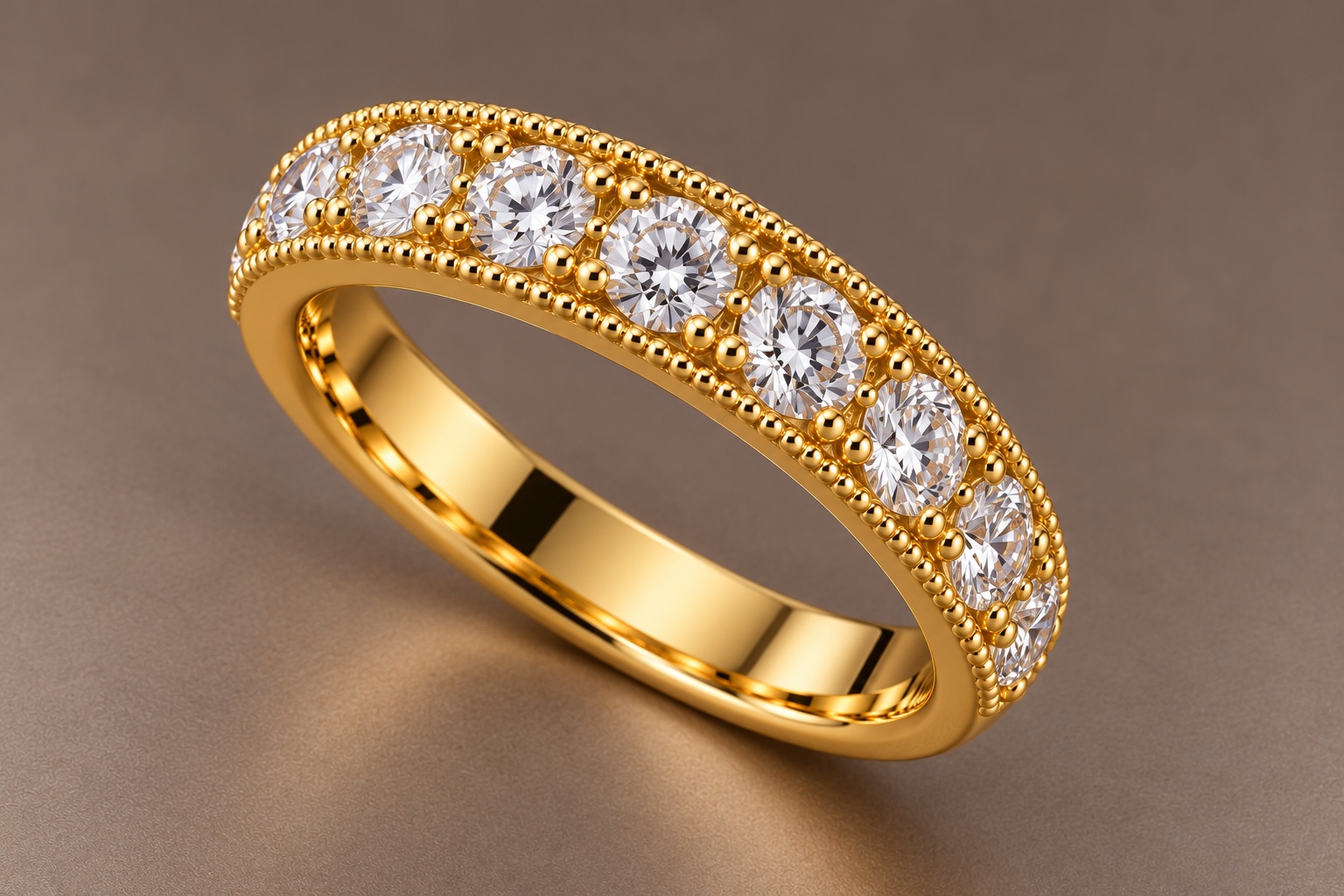
Mill grain setting combines traditional hand engraving and precision stone setting with a fine decorative beaded border. Specialist mill grain tools create a consistent pattern of tiny metal beads along carefully prepared edges. Often combined with hand cut bright cuts and grain set diamonds, this intricate technique produces the refined appearance associated with antique and vintage jewellery.
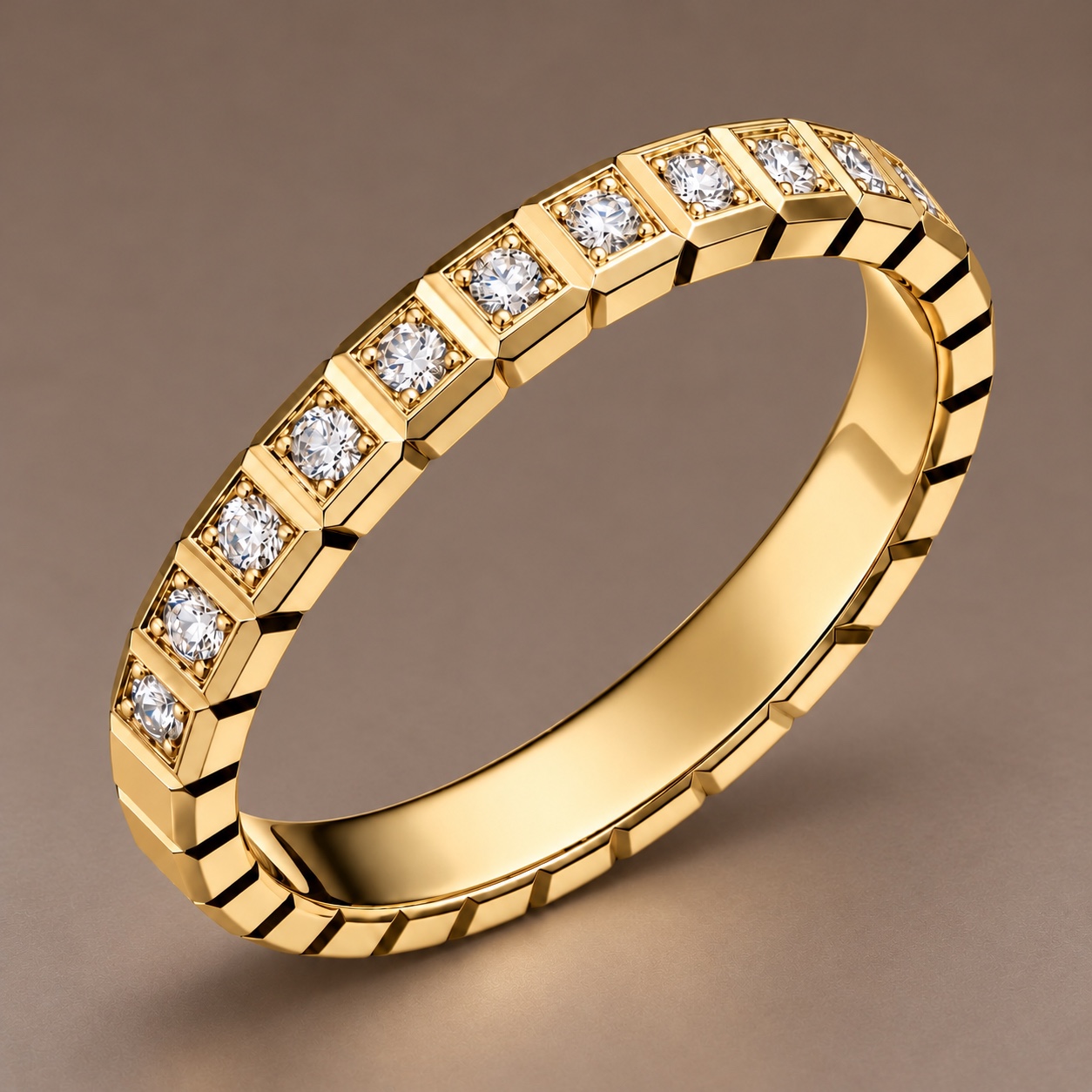
A geometric variation of box setting, with diamonds positioned in individually defined gold compartments. Precise spacing and carefully finished edges give a clean, architectural result.
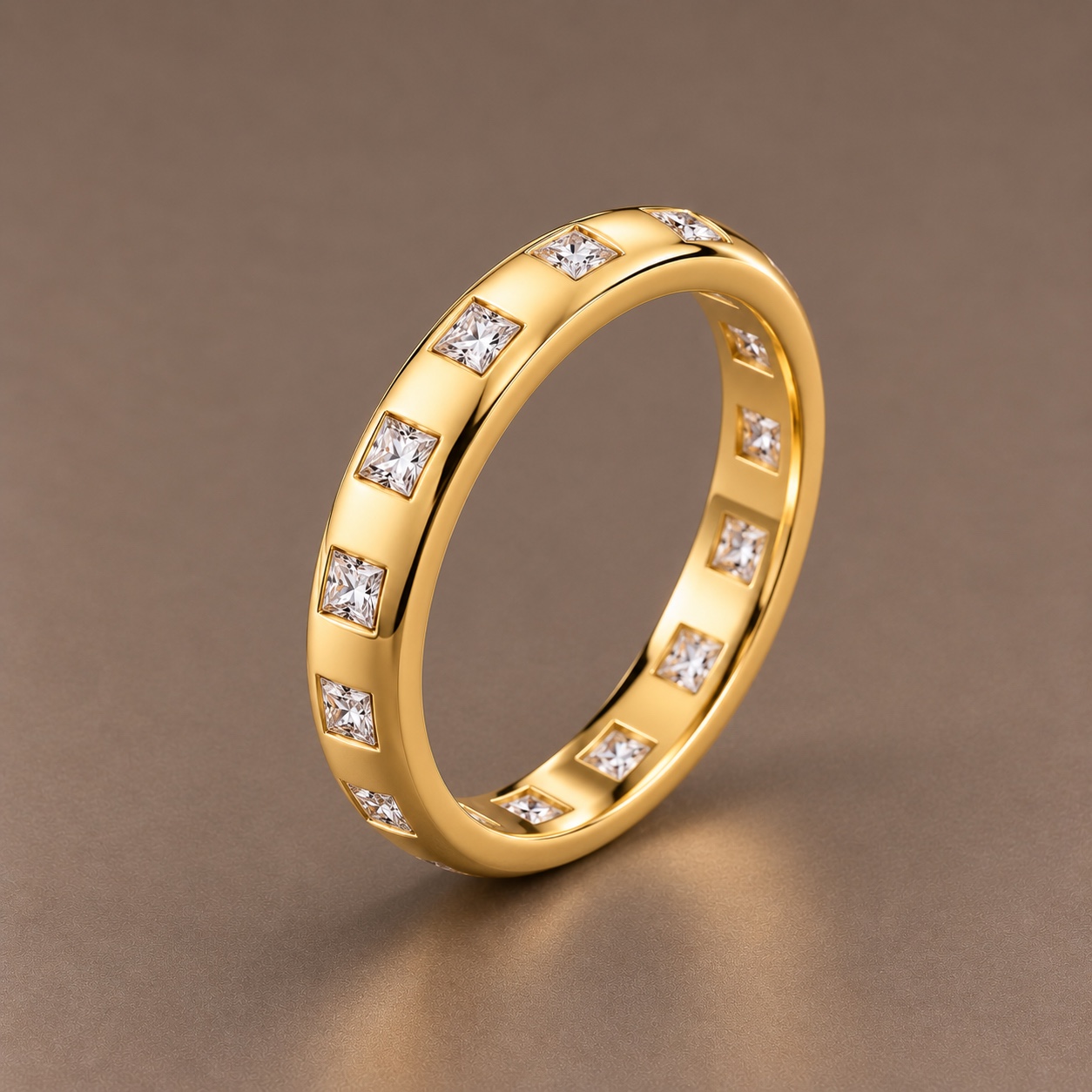
Box flush setting involves precisely preparing individual square or rectangular recesses to accommodate diamonds or coloured gemstones. Each stone is accurately seated and secured within its surrounding metal, producing a clean geometric appearance. This setting technique demands precise cutting, consistent spacing and careful finishing, particularly when working with princess cut diamonds.
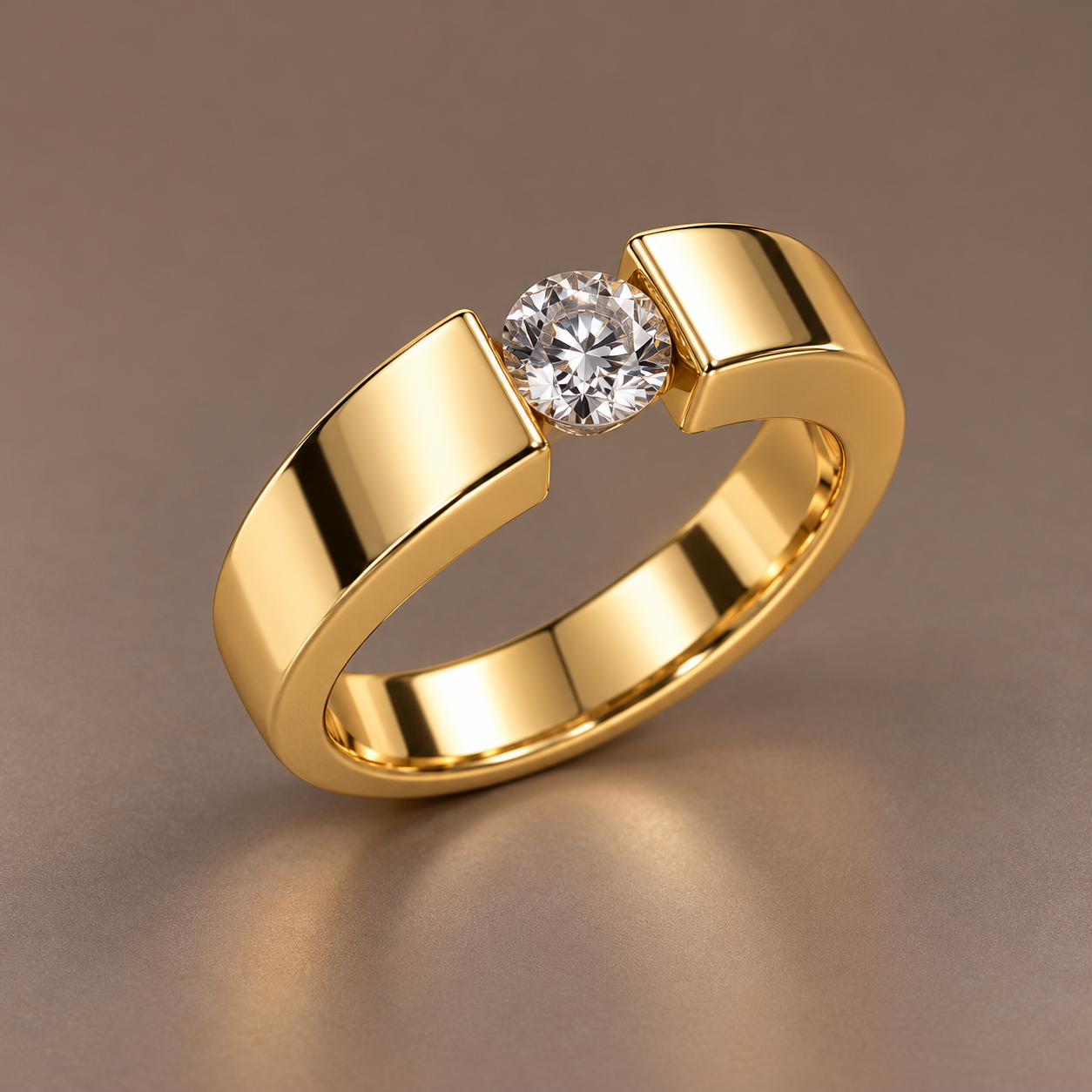
Tension setting creates the striking appearance of a diamond suspended between two opposing sections of a metal ring. The gemstone is held by precisely engineered pressure rather than conventional claws. Accurate stone seating, suitable metal construction and exceptional precision are essential to achieve a secure, contemporary setting with maximum visibility of the diamond.
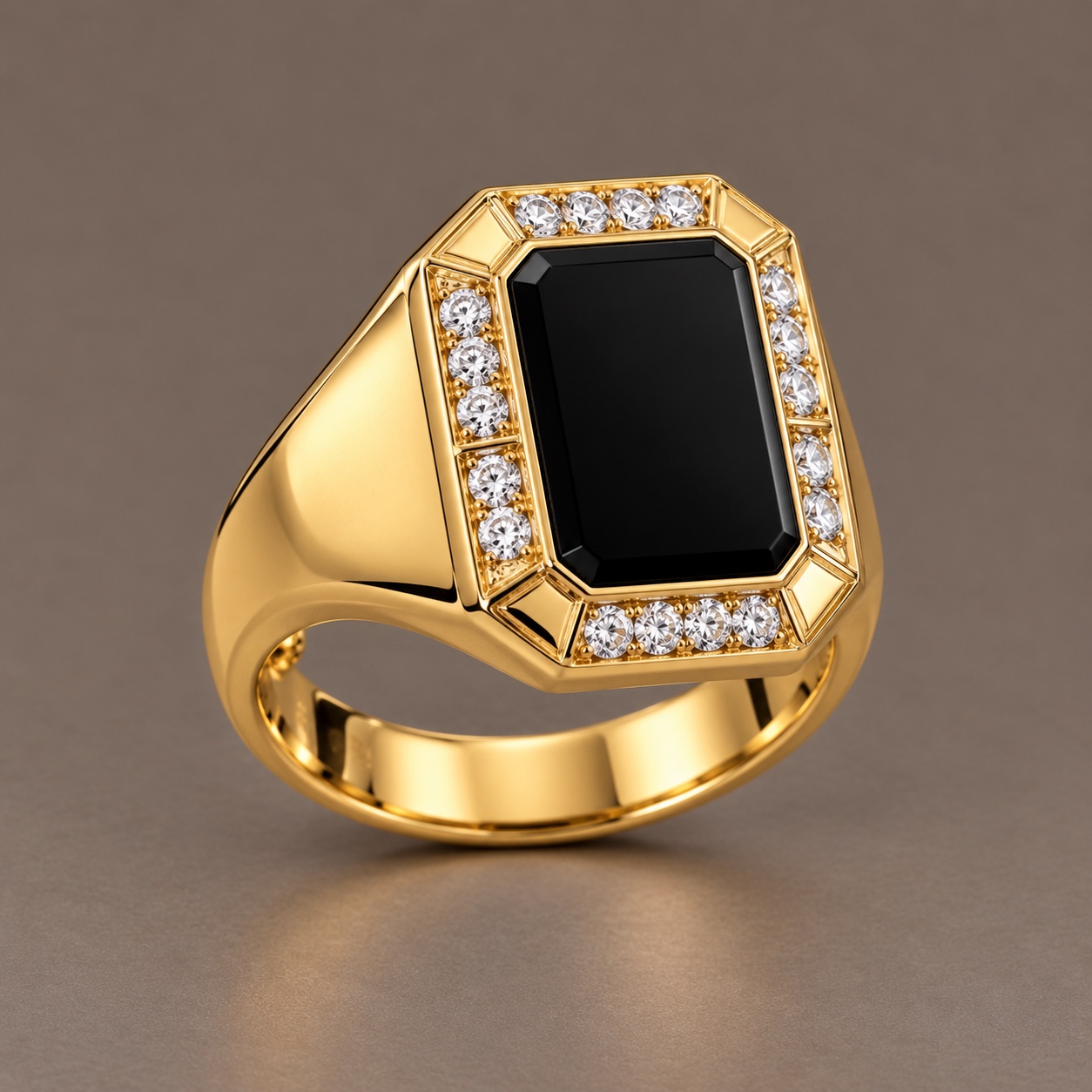
This combination setting brings together a precisely fitted black onyx centre stone and surrounding diamonds secured using traditional grain setting techniques. Each diamond is individually seated, with carefully raised grains formed using specialist tools. Precision hand cutting and polished metal detailing create a striking contrast between the onyx, precious metal and brilliant diamonds.
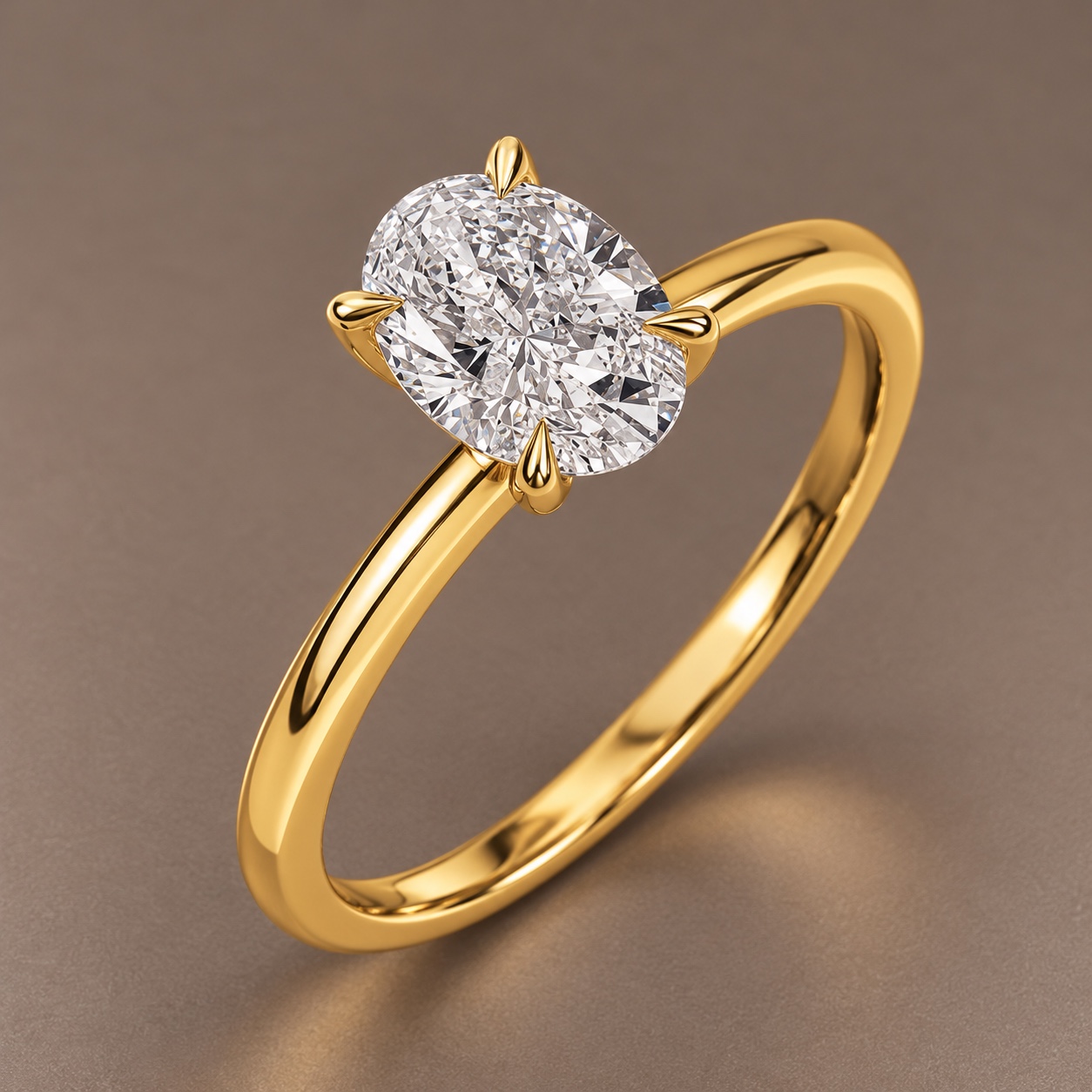
Tallon claw setting uses carefully shaped, pointed claws to secure a diamond or gemstone. Each claw is precisely seated, tightened and finished to achieve a refined outline while maintaining security. This specialist claw variation is particularly effective for solitaire rings and fancy shaped gemstones.
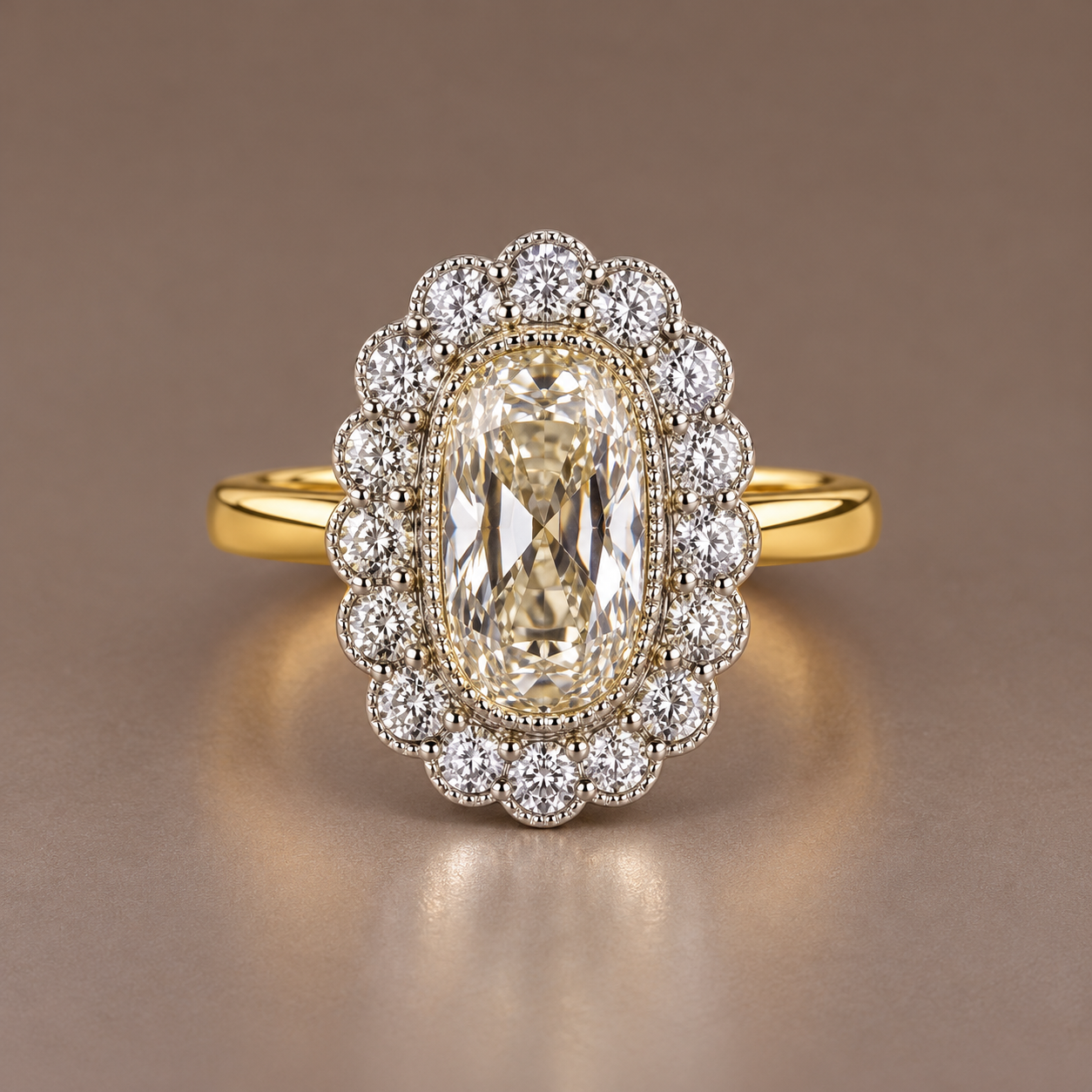
Antique setting combines traditional hand finishing, intricate grain setting and decorative detailing inspired by historic jewellery. Precisely positioned diamonds surround the centre gemstone, while skilled metalwork creates a distinctive vintage appearance suited to restoration and bespoke jewellery.